Professional Certificate in Machine Learning for Fraud Detection in Banking
-- viewing nowProfessional Certificate in Machine Learning for Fraud Detection in Banking equips banking professionals with essential skills to combat fraud. This program is designed for data analysts, risk managers, and IT specialists in the financial sector.
4,361+
Students enrolled
7-Day Money-Back Guarantee
Enroll with confidence
Secure Checkout
256-bit encrypted payment
Lifetime Access
Learn at your own pace
About this course
100% online
Learn from anywhere
Shareable certificate
Add to your LinkedIn profile
2 months to complete
at 2-3 hours a week
Start anytime
No waiting period
Course Details
- Introduction to Machine Learning and Fraud Detection
- Data Preprocessing and Feature Engineering
- Supervised Learning Techniques for Fraud Detection
- Unsupervised Learning and Anomaly Detection
- Model Evaluation and Validation Methods
- Deploying Machine Learning Models in Banking Systems
- Ethical Considerations and Compliance in Fraud Detection
- Advanced Techniques: Neural Networks and Deep Learning
- Real-world Case Studies in Banking Fraud Detection
- Future Trends in Machine Learning for Financial Services
Career Path
Career Roles in Machine Learning for Fraud Detection Data Scientist : Utilize data analysis and machine learning techniques to identify patterns and anomalies in banking data, driving insights for fraud detection.
Machine Learning Engineer : Design and implement machine learning models that automate fraud detection processes, ensuring efficiency and accuracy in banking operations.
Fraud Analyst : Monitor transactions and analyze data to detect fraudulent activities, using machine learning tools to enhance detection rates.
Risk Management Specialist : Assess potential risks within banking operations, employing machine learning algorithms to predict and mitigate fraud risks effectively.
Compliance Officer : Ensure that banking practices adhere to regulations, leveraging machine learning insights to maintain compliance and reduce fraud exposure.
Entry Requirements
- Basic understanding of the subject matter
- Proficiency in English language
- Computer and internet access
- Basic computer skills
- Dedication to complete the course
No prior formal qualifications required. Course designed for accessibility.
Course Status
This course provides practical knowledge and skills for professional development. It is:
- Not accredited by a recognized body
- Not regulated by an authorized institution
- Complementary to formal qualifications
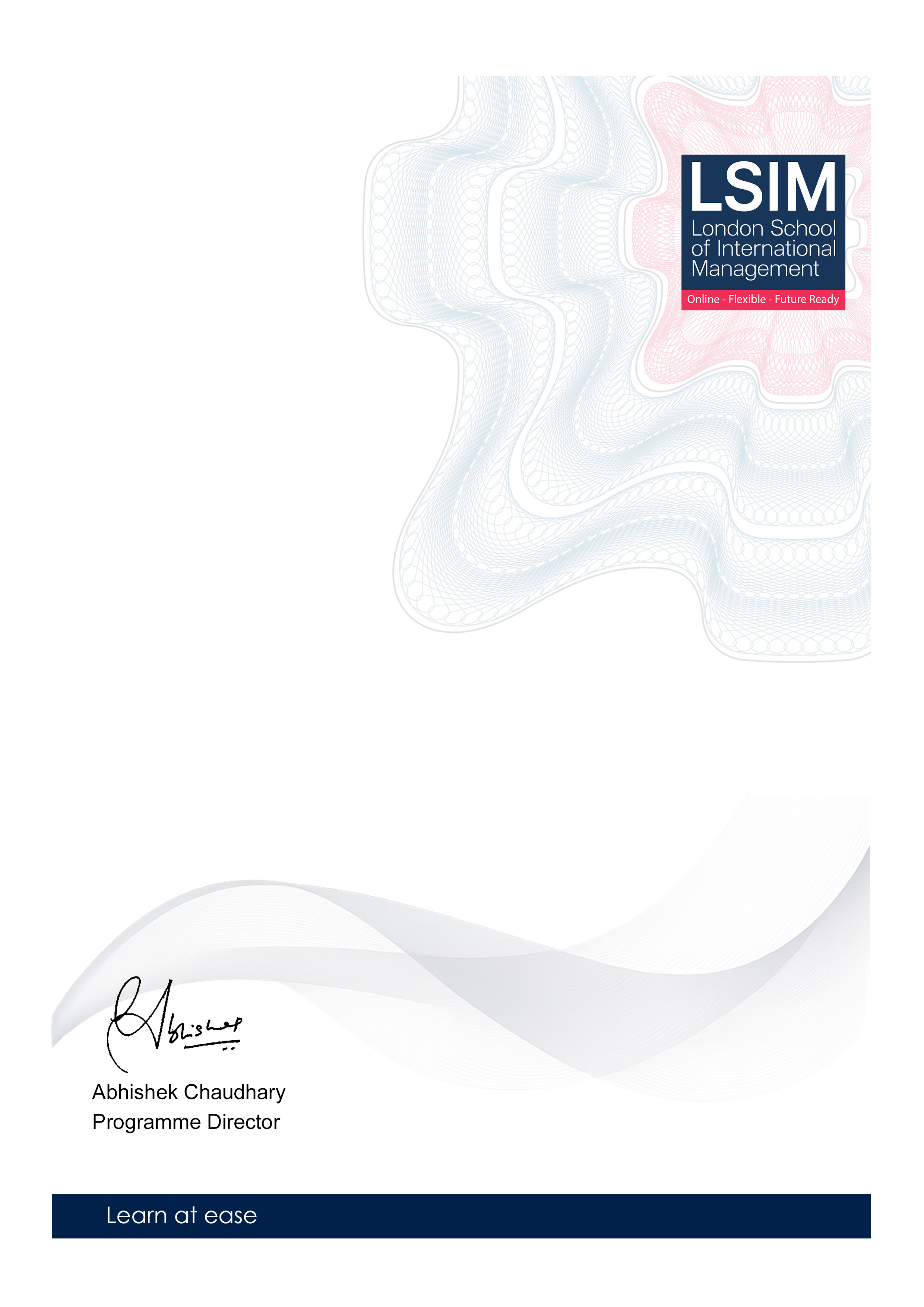
You'll receive a certificate of completion upon successfully finishing the course.
Why people choose us for their career
Loading reviews...
Frequently Asked Questions
Course fee
- 3-4 hours per week
- Early certificate delivery
- Open enrollment - start anytime
- 2-3 hours per week
- Regular certificate delivery
- Open enrollment - start anytime
- Full course access
- Digital certificate
- Course materials
Get course information
Earn a career certificate