Chinese Literature and Spy Fiction and Differences
-- ViewingNowChinese Literature offers a rich tapestry of history, culture, and philosophy. It reflects the soul of a civilization through poetry, novels, and essays.
5,179+
Students enrolled
GBP £ 140
GBP £ 202
Save 44% with our special offer
关于这门课程
In contrast, Spy Fiction delves into intrigue, deception, and espionage, often set against a backdrop of political tension. While Chinese literature emphasizes moral lessons and societal values, spy fiction focuses on individualism and suspense. Both genres provide unique insights into human nature and society. Discover the intriguing differences and similarities between these two literary worlds. Dive deeper into the realms of Chinese Literature and Spy Fiction today!
100%在线
随时随地学习
可分享的证书
添加到您的LinkedIn个人资料
2个月完成
每周2-3小时
随时开始
无等待期
课程详情
• Historical Context of Chinese Literature
• Major Literary Movements in China
• Key Authors and Their Works in Chinese Literature
• Themes and Motifs in Chinese Poetry
• The Role of Folklore and Mythology in Chinese Narratives
• Introduction to Spy Fiction: Origins and Evolution
• Key Figures and Works in Spy Fiction
• Common Themes in Spy Fiction: Betrayal and Loyalty
• The Influence of Historical Events on Spy Narratives
• Cultural Reflections in Chinese Literature vs. Spy Fiction
• Major Literary Movements in China
• Key Authors and Their Works in Chinese Literature
• Themes and Motifs in Chinese Poetry
• The Role of Folklore and Mythology in Chinese Narratives
• Introduction to Spy Fiction: Origins and Evolution
• Key Figures and Works in Spy Fiction
• Common Themes in Spy Fiction: Betrayal and Loyalty
• The Influence of Historical Events on Spy Narratives
• Cultural Reflections in Chinese Literature vs. Spy Fiction
职业道路
Literary Translator: Specializes in translating Chinese literary works into English, ensuring cultural nuances are preserved.
Cultural Consultant: Provides insights on Chinese culture for projects in literature and media, enhancing authenticity in storytelling.
Editor (Chinese Literature): Focuses on editing manuscripts within the realm of Chinese literature, improving quality and coherence.
Research Analyst (Spy Fiction): Analyzes trends and themes in spy fiction, contributing to market forecasts and content development.
Author (Spy Fiction): Crafts compelling narratives within the spy genre, blending creativity with research on espionage.
Literary Agent: Represents authors in the Chinese literature and spy fiction markets, negotiating contracts and promoting works.
Publisher (Chinese Literature): Oversees the publication process of Chinese literary works, from acquisition to marketing.
入学要求
- 对主题的基本理解
- 英语语言能力
- 计算机和互联网访问
- 基本计算机技能
- 完成课程的奉献精神
无需事先的正式资格。课程设计注重可访问性。
课程状态
本课程为职业发展提供实用的知识和技能。它是:
- 未经认可机构认证
- 未经授权机构监管
- 对正式资格的补充
成功完成课程后,您将获得结业证书。
为什么人们选择我们作为职业发展
正在加载评论...
常见问题
Debug: False
获取课程信息
获得职业证书
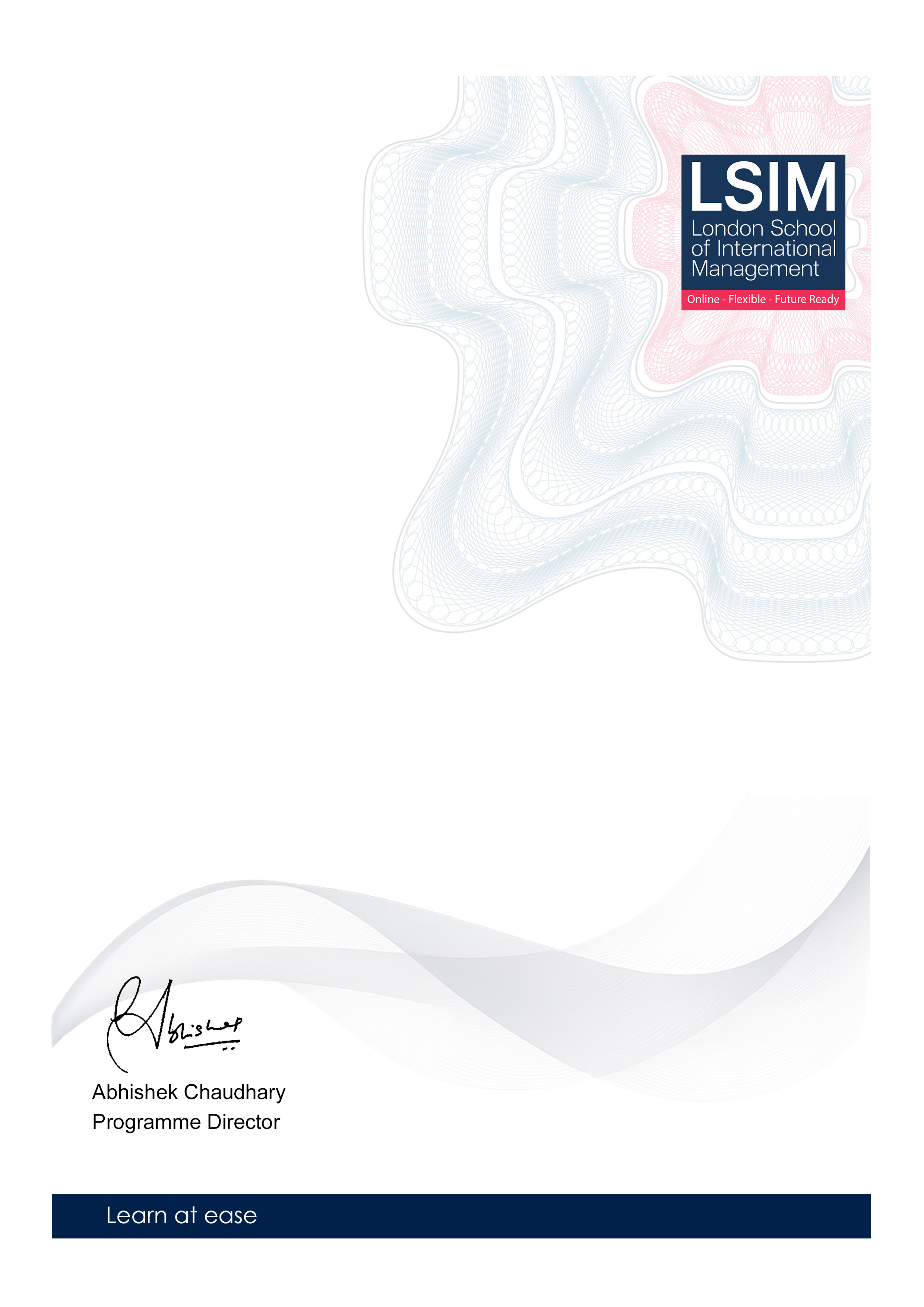
CHINESE LITERATURE AND SPY FICTION AND DIFFERENCES
授予给
学习者姓名
已完成课程的人
London School of International Management (LSIM)
授予日期
05 May 2025
区块链ID: s-1-a-2-m-3-p-4-l-5-e
将此证书添加到您的LinkedIn个人资料、简历或CV中。在社交媒体和绩效评估中分享它。