Literary Movements in Chinese Literature and Alternate History
-- ViewingNowLiterary Movements in Chinese Literature and Alternate History offer a fascinating lens into cultural evolution and speculative narratives. Explore how different literary styles shape societal values and artistic expression.
5,620+
Students enrolled
GBP £ 140
GBP £ 202
Save 44% with our special offer
关于这门课程
From classical poetry to modern prose, each movement reflects historical contexts and challenges.
Incorporating alternate history, these works invite readers to reimagine pivotal moments and their implications.
Discover how these genres resonate with audiences today and inspire new interpretations.
Join us on this literary journey and dive deeper into the rich tapestry of Chinese narratives!
100%在线
随时随地学习
可分享的证书
添加到您的LinkedIn个人资料
2个月完成
每周2-3小时
随时开始
无等待期
课程详情
• Classical Chinese Literature: Exploring the foundations of Chinese literary traditions, including poetry, philosophy, and historical texts.
• The Tang Dynasty: Analyzing the golden age of Chinese poetry and its influential poets such as Li Bai and Du Fu.
• The Song Dynasty: Examining the rise of prose literature and the impact of Confucianism on literary expression.
• Modern Chinese Literature: Investigating the shifts in literature during the late Qing Dynasty and the Republican Era, highlighting authors like Lu Xun.
• Contemporary Chinese Literature: Understanding the themes and innovations in literature post-1976, including the works of writers like Mo Yan.
• Chinese Science Fiction: Exploring the emergence and evolution of sci-fi literature in China, with notable authors such as Liu Cixin.
• Alternate Histories in Chinese Literature: Analyzing how writers reimagine historical events and figures to create speculative narratives.
• Feminist Literature in China: Investigating the contributions of female authors and the exploration of gender themes in Chinese literature.
• Postmodernism in Chinese Literature: Understanding the influence of postmodern thought on contemporary Chinese writing and narrative styles.
• Cultural Revolution Literature: Examining the impact of the Cultural Revolution on literary expression and the works produced during this tumultuous period.
• The Tang Dynasty: Analyzing the golden age of Chinese poetry and its influential poets such as Li Bai and Du Fu.
• The Song Dynasty: Examining the rise of prose literature and the impact of Confucianism on literary expression.
• Modern Chinese Literature: Investigating the shifts in literature during the late Qing Dynasty and the Republican Era, highlighting authors like Lu Xun.
• Contemporary Chinese Literature: Understanding the themes and innovations in literature post-1976, including the works of writers like Mo Yan.
• Chinese Science Fiction: Exploring the emergence and evolution of sci-fi literature in China, with notable authors such as Liu Cixin.
• Alternate Histories in Chinese Literature: Analyzing how writers reimagine historical events and figures to create speculative narratives.
• Feminist Literature in China: Investigating the contributions of female authors and the exploration of gender themes in Chinese literature.
• Postmodernism in Chinese Literature: Understanding the influence of postmodern thought on contemporary Chinese writing and narrative styles.
• Cultural Revolution Literature: Examining the impact of the Cultural Revolution on literary expression and the works produced during this tumultuous period.
职业道路
Literary Analyst: Engages deeply with texts from various literary movements, analyzing themes and historical contexts to provide insights relevant to both academia and the publishing industry.
Cultural Historian: Explores the intersections of literature and history, focusing on how literary movements reflect societal changes, enhancing knowledge for both educators and researchers.
Content Writer: Creates engaging content inspired by literary movements and alternate history, catering to digital audiences across platforms and industries.
Editor: Works on refining manuscripts related to literary studies, ensuring clarity and coherence while maintaining the author's voice, crucial for publishing houses and literary journals.
Publisher: Oversees the production of literary works, focusing on identifying emerging trends in literary movements that can lead to successful publications in niche markets.
入学要求
- 对主题的基本理解
- 英语语言能力
- 计算机和互联网访问
- 基本计算机技能
- 完成课程的奉献精神
无需事先的正式资格。课程设计注重可访问性。
课程状态
本课程为职业发展提供实用的知识和技能。它是:
- 未经认可机构认证
- 未经授权机构监管
- 对正式资格的补充
成功完成课程后,您将获得结业证书。
为什么人们选择我们作为职业发展
正在加载评论...
常见问题
Debug: False
获取课程信息
获得职业证书
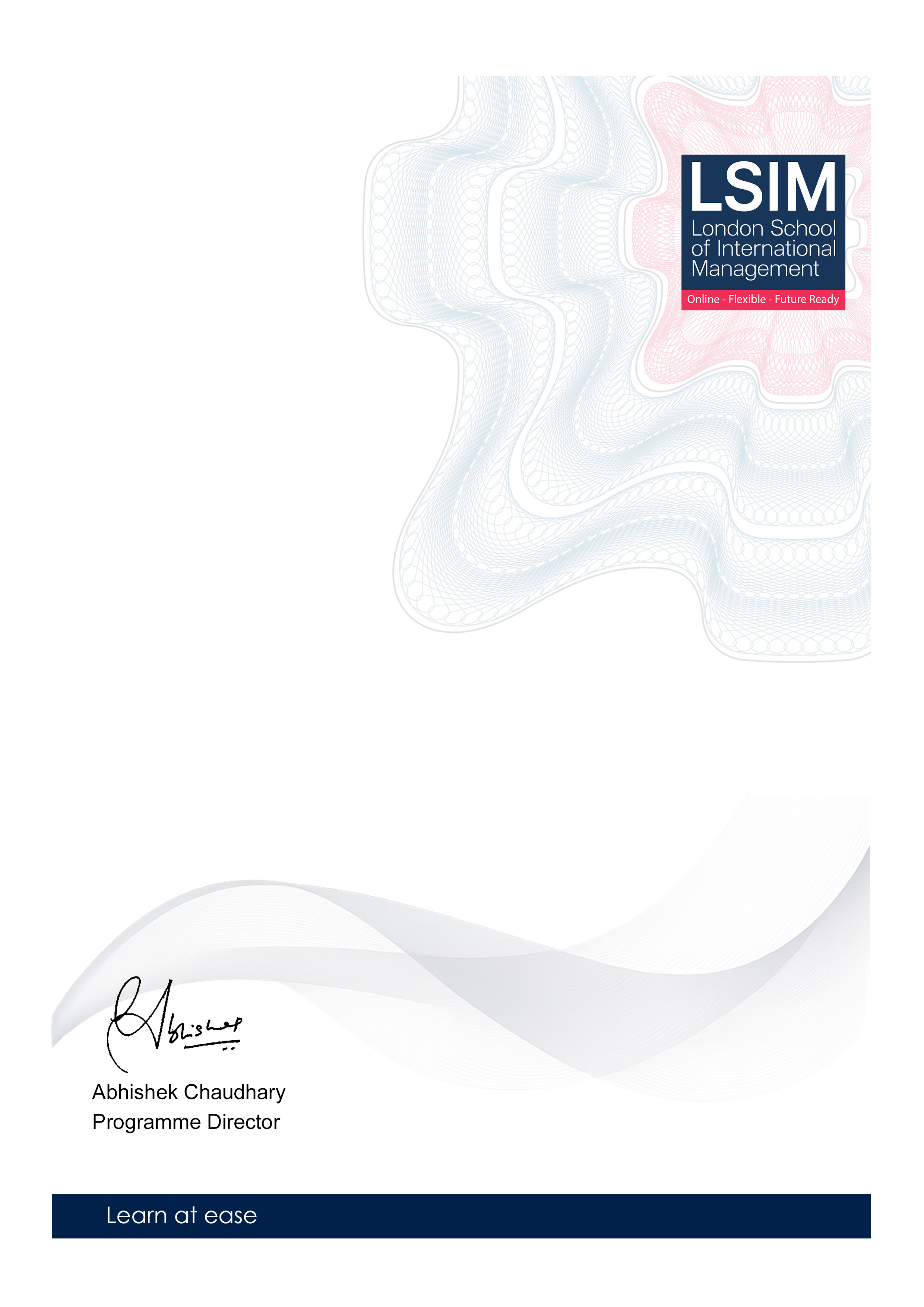
LITERARY MOVEMENTS IN CHINESE LITERATURE AND ALTERNATE HISTORY
授予给
学习者姓名
已完成课程的人
London School of International Management (LSIM)
授予日期
05 May 2025
区块链ID: s-1-a-2-m-3-p-4-l-5-e
将此证书添加到您的LinkedIn个人资料、简历或CV中。在社交媒体和绩效评估中分享它。