Chinese Calligraphy Script Styles for Art Lovers
-- ViewingNowChinese Calligraphy Script Styles offer a captivating journey into the world of art and expression. With a rich history, these styles showcase the beauty of brushwork and character formation.
7,828+
Students enrolled
GBP £ 140
GBP £ 202
Save 44% with our special offer
关于这门课程
Art lovers will appreciate the elegant forms of Kaishu, Xingshu, and Caoshu, each conveying unique emotions.
Whether you're a beginner or an experienced artist, understanding these scripts enhances your creative skills.
Discover the profound impact of each style and how they reflect cultural significance.
Explore further and immerse yourself in the art of Chinese calligraphy today!
100%在线
随时随地学习
可分享的证书
添加到您的LinkedIn个人资料
2个月完成
每周2-3小时
随时开始
无等待期
课程详情
• Regular Script (??) - A highly legible and structured style, ideal for beginners and formal writing.
• Running Script (??) - A semi-cursive style that balances speed and legibility, often used for personal correspondence.
• Cursive Script (??) - An expressive, free-flowing style that emphasizes speed and artistic flair, often difficult to read.
• Seal Script (??) - An ancient style characterized by its intricate and ornate characters, often used in seals and formal inscriptions.
• Clerical Script (??) - A historical style that combines elements of Regular and Seal scripts, known for its horizontal strokes and clear structure.
• Song Script (??) - A typeface that emerged during the Song dynasty, widely used in print for its clarity and balance.
• Lishu (??) - A style that evolved from clerical script, known for its strong, dynamic lines and historical significance.
• Xingshu (??) - Often referred to as "running script," this style is a bridge between cursive and regular script, showcasing fluidity and elegance.
• Guli (??) - An ancient form of clerical script, notable for its unique characteristics and ties to early Chinese writing styles.
• Bichuan (??) - A lesser-known style focusing on the brushwork and technique, emphasizing the artist's personal expression in calligraphy.
• Running Script (??) - A semi-cursive style that balances speed and legibility, often used for personal correspondence.
• Cursive Script (??) - An expressive, free-flowing style that emphasizes speed and artistic flair, often difficult to read.
• Seal Script (??) - An ancient style characterized by its intricate and ornate characters, often used in seals and formal inscriptions.
• Clerical Script (??) - A historical style that combines elements of Regular and Seal scripts, known for its horizontal strokes and clear structure.
• Song Script (??) - A typeface that emerged during the Song dynasty, widely used in print for its clarity and balance.
• Lishu (??) - A style that evolved from clerical script, known for its strong, dynamic lines and historical significance.
• Xingshu (??) - Often referred to as "running script," this style is a bridge between cursive and regular script, showcasing fluidity and elegance.
• Guli (??) - An ancient form of clerical script, notable for its unique characteristics and ties to early Chinese writing styles.
• Bichuan (??) - A lesser-known style focusing on the brushwork and technique, emphasizing the artist's personal expression in calligraphy.
职业道路
Chinese Calligraphy Career Roles
Calligraphy Instructor: A professional who teaches the art of Chinese calligraphy, emphasizing various styles like Kaishu and Xingshu. This role is essential in preserving cultural heritage and fostering new talent.
Art Curator: An individual responsible for organizing exhibitions that highlight Chinese calligraphy and its historical significance. Curators often collaborate with artists and institutions to promote calligraphy as a fine art.
Freelance Calligrapher: A skilled artist who creates custom calligraphy pieces for clients, utilizing styles such as Cao Shu and Li Shu. Freelancers often work on commissions for events like weddings and corporate functions.
Graphic Designer Specializing in Calligraphy: A designer who integrates Chinese calligraphy into modern design projects, blending traditional art with contemporary aesthetics. This role is increasingly in demand in branding and marketing.
Art Historian: A researcher who studies the development of Chinese calligraphy and its cultural impact. Historians often publish articles and books that contribute to the understanding of this art form.
入学要求
- 对主题的基本理解
- 英语语言能力
- 计算机和互联网访问
- 基本计算机技能
- 完成课程的奉献精神
无需事先的正式资格。课程设计注重可访问性。
课程状态
本课程为职业发展提供实用的知识和技能。它是:
- 未经认可机构认证
- 未经授权机构监管
- 对正式资格的补充
成功完成课程后,您将获得结业证书。
为什么人们选择我们作为职业发展
正在加载评论...
常见问题
Debug: False
获取课程信息
获得职业证书
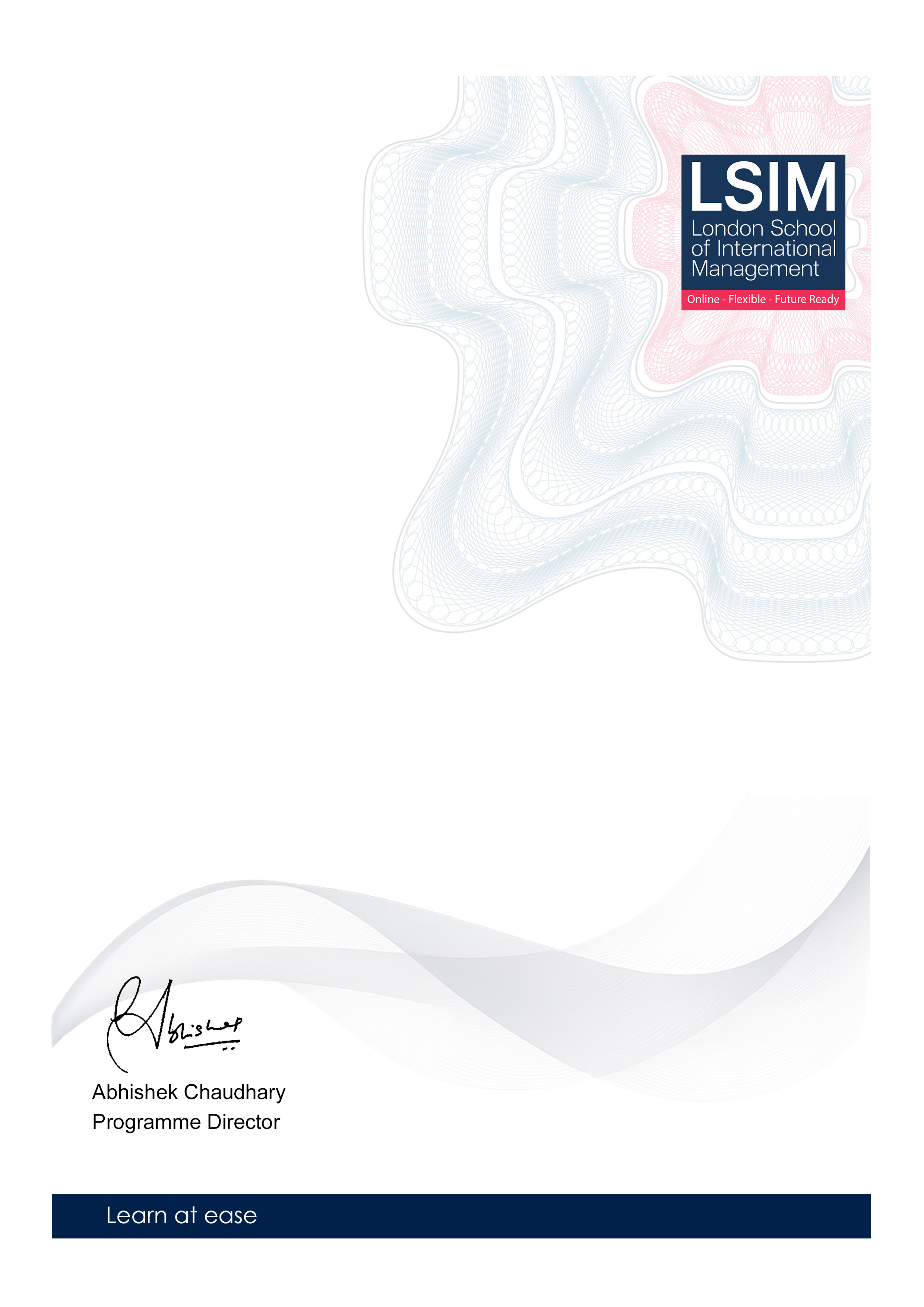
CHINESE CALLIGRAPHY SCRIPT STYLES FOR ART LOVERS
授予给
学习者姓名
已完成课程的人
London School of International Management (LSIM)
授予日期
05 May 2025
区块链ID: s-1-a-2-m-3-p-4-l-5-e
将此证书添加到您的LinkedIn个人资料、简历或CV中。在社交媒体和绩效评估中分享它。